
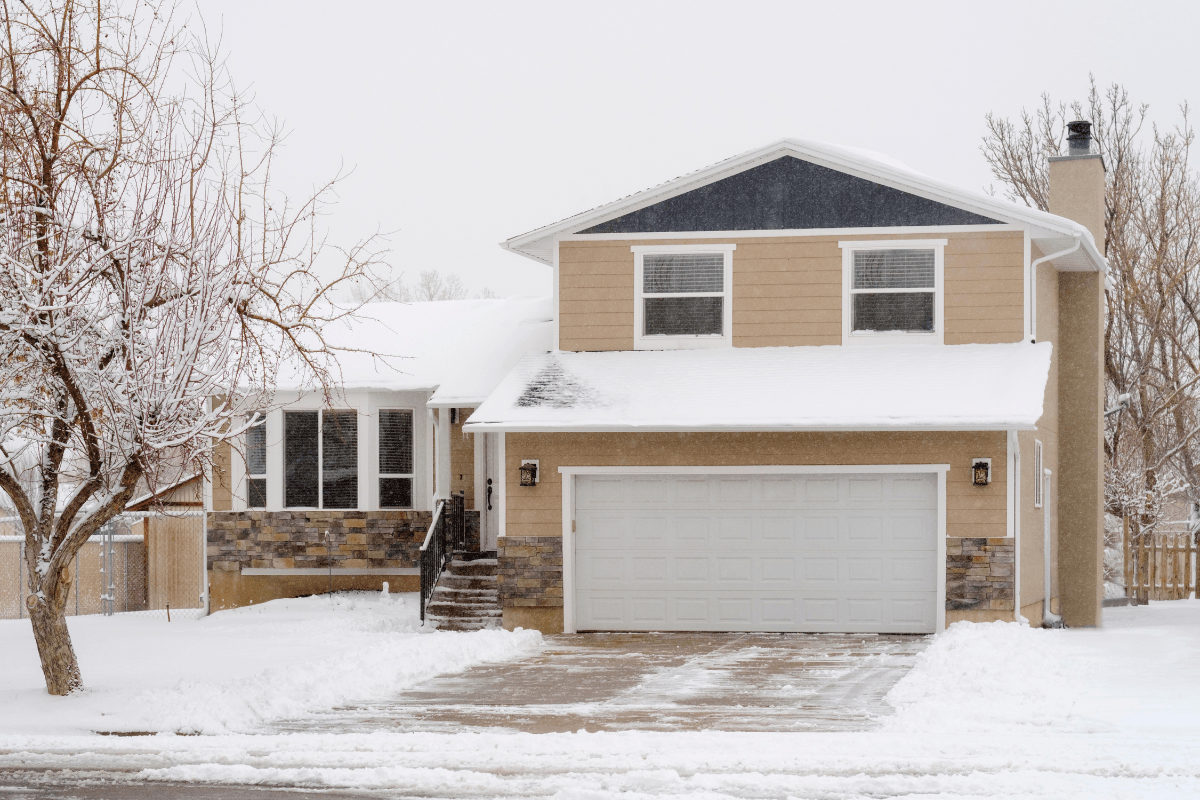
Let's be honest: nobody wants to wake up on the coldest day of the year with a dead furnace or burst pipes. Winter has a way of finding every weakness in your home's armor, and the repair bills can be absolutely brutal. The good news is that a little fall preparation can save you from becoming one of those horror stories your neighbors whisper about come spring.
Your heating system is your winter lifeline
Before you even think about anything else, your heating system needs some serious attention. This isn't the time to cross your fingers and hope for the best… winter doesn't care about your budget or your busy schedule.
Get your HVAC professionally serviced
Schedule that tune-up in early fall, not when everyone else panics during the first cold snap. A professional will clean your burners, check heat exchangers, test safety controls, and make sure everything's actually going to work when you need it most. Think of it as insurance against those middle-of-the-night emergency service calls that cost three times as much.
The filter situation is probably worse than you think. Replace it immediately, then set a monthly reminder to do it again throughout the heating season. A dirty filter doesn't just make your system work harder, it can actually cause breakdowns that leave you shivering while you wait for repairs.
Check your ductwork for energy leaks
Walk around your basement or crawl space with a flashlight and look for obvious problems. Small holes get sealed with foil duct tape. If you see sagging ducts between hangers, those probably need replacement because they're full of dirt and debris.
Master your thermostat settings
Here's where you can actually save some real money without sacrificing comfort. Set your thermostat to 68°F when you're home, and drop it a few degrees when you're away or sleeping. Each degree lower can save up to 1% on your energy bills, which adds up over a whole winter.
If you're still using one of those ancient round thermostats from the 1980s, upgrading to a programmable or smart model will pay for itself. The newer ones learn your schedule and can even adjust based on whether you're actually home or just forgot to change the setting.
Don't forget your water heater
Your water heater is working overtime in winter, so show it some love. Flush the tank to get rid of sediment buildup that makes it work harder than necessary. Set the temperature to 120°F… hot enough for comfortable showers but not so hot that you're paying to heat water to nuclear levels.
Water heater winter prep checklist:
- Flush tank annually
- Set temperature to 120°F
- Insulate first 6 feet of pipes
- Check for leaks or corrosion
- Test pressure relief valve
Stop throwing money out the windows (literally)
Air leaks are sneaky little energy vampires that can make your heating bills absolutely ridiculous. The good news is that most of them are pretty easy to find and fix.
Find those drafts before they find you
On a cold day, do the hand test around windows and doors… just run your hand along the edges and feel for cold air. For a more dramatic demonstration, try the candle test: if the flame flickers, you've got a draft.
Plastic window kits from the hardware store are probably the cheapest upgrade you'll ever make. They look a little like shrink wrap for your windows, but they work surprisingly well. For a more permanent solution, thermal curtains or cellular shades can make a huge difference.
Weather stripping is your friend
Replace any weather stripping that looks like it's seen better days. If it's compressed, cracked, or pulling away, it's not doing its job. Use foam strips for weird gaps, V-strips for sliding windows, and door sweeps for the bottom of exterior doors. Quality weather stripping can last 5-10 years and will definitely pay for itself.
Don't forget about the sneaky spots where air leaks through. Those electrical outlets on exterior walls are basically tiny windows if they're not properly sealed. Pick up some foam gaskets and install them behind outlet covers… it takes about 30 seconds per outlet and makes a real difference.
Common air leak locations:
- Window and door frames
- Electrical outlets on exterior walls
- Baseboards and crown molding
- Recessed lighting fixtures
- Attic access panels
Protect your pipes before they turn into expensive disasters
Frozen pipes are one of those problems that go from zero to thousands of dollars in damage really quickly. A little prevention here goes a very long way.
Insulate everything that could freeze
Focus on pipes in unheated areas like basements, crawl spaces, attics, and garages. Foam pipe sleeves are cheap and easy to install, though newspaper works as a temporary fix if you're caught off guard. Supply lines need the most protection since they're always full of water.
In really cold climates, electric heat tape wrapped around the most vulnerable pipes can prevent expensive freeze damage. Just make sure you get the kind designed for the specific type of pipe you have.
Winterize your outdoor water connections
This is one of those tasks that's easy to forget until it's too late. Disconnect all outdoor hoses and drain them… water left in hoses can freeze and damage both the hose and the faucet. Shut off water to outdoor spigots if you have separate valves, and install insulated faucet covers.
If you have a sprinkler system, get it professionally blown out before freezing weather hits. This usually costs under $100 but can save you from replacing entire sections of irrigation pipe come spring.
Your roof and gutters need attention too
Winter weather is tough on roofs, and problems that seem minor in fall can turn into major headaches when snow and ice get involved.
Give your roof a thorough inspection
Look for missing or damaged shingles, problems with flashing around chimneys and vents, and make sure gutters are securely attached. Small issues can become expensive problems when they're subjected to snow loads and freeze-thaw cycles.
If you're not comfortable getting on your roof, at least walk around your house and look up from different angles. Binoculars can help you spot obvious problems without risking a trip to the emergency room.
Clean those gutters one last time
Clean gutters after the last leaves fall, usually sometime in late November. Clogged gutters can cause ice dams that damage your roof and lead to interior leaks. Make sure downspouts direct water at least six feet away from your foundation to prevent basement moisture problems.
Gutter maintenance essentials:
- Remove all leaves and debris
- Check for proper water flow
- Secure loose hangers or brackets
- Ensure downspouts drain away from house
- Consider gutter guards for next year
Make your home's interior work smarter, not harder
A few simple adjustments inside your house can make winter more comfortable while keeping energy costs reasonable.
Use your ceiling fans strategically
Here's something most people get backwards: switch your ceiling fans to rotate clockwise in winter. This pushes the warm air that naturally rises back down into your living space, making rooms feel warmer without cranking up the thermostat.
Take advantage of free solar heating
During sunny winter days, open curtains and blinds on south-facing windows to capture free heat from the sun. Close them when the sun goes down to trap that warmth inside. It's amazing how much this simple habit can reduce your heating needs.
Move furniture away from heating vents and radiators so warm air can actually circulate. That couch blocking your floor vent isn't doing anyone any favors.
Update your lighting and safety systems
If you haven't switched to LED bulbs yet, winter is a great time to make the change. They use way less electricity and last much longer than traditional bulbs. While you're at it, test your smoke detectors and carbon monoxide detectors, and replace the batteries whether they need it or not.
Fireplace safety isn't optional
If you have a fireplace, it needs attention before you start using it regularly. This is definitely not an area where you want to wing it.
Get professional help with chimney maintenance
Annual chimney inspection and cleaning isn't just a good idea, it's essential for safety. Every year, 25,000 homes suffer fires due to poor chimney maintenance. Professional cleaning removes creosote buildup that can ignite and cause dangerous chimney fires.
If you're not planning to use your fireplace this winter, close the damper tightly and consider installing glass doors or a chimney balloon to prevent warm air from escaping up the chimney.
Don't forget about the outside of your house
Your home's exterior takes a beating during winter, so a little preparation can prevent expensive damage.
Tree and landscape maintenance
Remove dead branches that could become projectiles during winter storms. Trim any limbs that hang over your roof or come within six feet of your house. Bring tender plants inside before temperatures drop below 45°F, and apply mulch around perennials and shrubs to protect their roots.
Store or protect outdoor equipment
Bring patio furniture and grills into the garage or basement if possible. For gas grills, close the tank valve and disconnect the tank before storing (the tank has to stay outside). If you don't have storage space, invest in quality covers designed for your specific equipment.
Outdoor equipment winterization: • Clean thoroughly before storing • Drain all fluids from equipment • Remove or protect fabric cushions • Cover securely with proper materials • Store propane tanks safely outdoors
Be ready when winter gets nasty
Severe weather can cause power outages and heating system failures, so having a plan makes all the difference.
Emergency supplies that actually matter
Stock up on essentials before the first storm warning: flashlights, batteries, a battery-powered radio, non-perishable food for 3-7 days, bottled water (one gallon per person per day), first aid supplies, warm blankets, and ice melt for walkways.
If you use space heaters as backup heat, make sure they have automatic shut-offs and tip-over protection. Never use outdoor heaters, generators, or grills indoors… carbon monoxide poisoning is a real and deadly risk.
Know your home's critical systems
Learn where your main water shut-off valve is located and how to operate it. If pipes freeze despite your best efforts, shutting off the water immediately can prevent thousands of dollars in flood damage. Keep the number for a reliable plumber handy, because when pipes burst, every minute counts.
Small changes that add up to big savings
You don't need major renovations to see real improvements in your winter comfort and energy bills.
Install low-flow showerheads and fix dripping faucets… a single dripping hot water faucet can waste hundreds of gallons monthly. Unplug appliances when you're not using them, since electronics consume power even when they're "off."
Only heat the rooms you're actually using. Close vents and doors in unused areas, but don't completely shut off heat to any room that has plumbing in it.
The bottom line on winter prep
Most winterization tasks are pretty straightforward, but some definitely require professional help. Don't try to service your own furnace, work on your roof, or mess with major electrical issues. For those jobs, book services in early fall when contractors have better availability and often better pricing.
The upfront investment in winterization usually pays for itself in the first winter through energy savings alone. More importantly, you'll have the peace of mind that comes with knowing your home is ready for whatever winter throws at it. Trust me, there's nothing quite like sitting comfortably in your warm house while listening to your unprepared neighbor's pipes burst at 2 AM.