
Your kitchen should inspire culinary creativity, not send you into a panic every time you need to find the can opener. Whether you're working with a spacious suburban dream kitchen or a cramped apartment galley that barely fits two people, the right organization strategies can transform your daily cooking experience from chaotic treasure hunt to smooth operation. Let's dive into practical solutions that actually work in real kitchens with real families and real budgets.
Understanding what's really driving you crazy
The thing about kitchen frustration is that it's rarely about the space itself… it's about how that space works against you instead of with you. Most of us are dealing with the same core issues: we can't find what we need when we need it, perfectly good food goes bad because we forgot we had it, and our counters are so cluttered that making a simple sandwich feels like an obstacle course.
Here's something that might surprise you: food waste costs the average American family $1,600 per year, and we're wasting 30-40% of our entire food supply. A huge chunk of that waste happens simply because we can't see what we have or can't access it easily. When your pantry is a black hole where ingredients go to die, you're literally throwing money away.
There's actually a psychology to this madness. Studies show that cluttered environments make us more likely to overeat and make poor food choices. But here's the good news: organized kitchens prime us to stay in control and make better decisions. It's easier to clean your kitchen once than to fight it every single day.
The 80/20 rule applies perfectly here too. You probably use about 20% of your kitchen items 80% of the time. Once you figure out what that crucial 20% is, organizing becomes so much simpler.
Strategic decluttering that actually sticks
Before you buy a single organizing product, you need to get honest about what you actually use. I know, I know… decluttering feels overwhelming, especially when you're staring at cabinets that look like they might avalanche if you open them wrong. But trust me on this: trying to organize without decluttering first is like trying to fit into last year's jeans after Thanksgiving dinner.
The three-pile method that works
Start with one area at a time (never tackle the whole kitchen at once unless you enjoy crying). Pull everything out and sort into three categories: daily use, occasional use, and rarely used. Be brutal here. That avocado slicer you bought in a moment of optimism? If you've been using a regular knife instead, it's taking up valuable real estate.
Apply the six-month rule ruthlessly. If you haven't touched something in six months, it goes in the donation pile. The only exceptions are truly seasonal items like your turkey roasting pan or that ice cream maker you actually do use every summer.
Here's what to declutter immediately:
- Expired pantry items (check those spice dates)
- Broken appliances you'll "fix someday"
- Duplicate tools (you don't need five wooden spoons)
- Single-use gadgets gathering dust
- Mismatched food storage containers
Pay special attention to those mystery ingredients lurking in your pantry. That jar of pomegranate molasses from your brief Middle Eastern cooking phase? If you can't remember buying it, it's time to let it go.
The Marie Kondo approach that makes sense
Marie Kondo suggests something brilliant for kitchens: sort by category, not by location. Gather all your spatulas from every drawer in the house, all your baking supplies from wherever they're hiding, all your coffee mugs from every cabinet. You'll be shocked at what you find and how many duplicates you have.
For utilitarian items that don't exactly "spark joy" but you need them (like that beat-up but reliable can opener), keep them. But consider upgrading to versions that do make you happy when you can afford it. Life's too short for ugly dish towels that feel like sandpaper.
Pantry organization that prevents food waste
A well-organized pantry is like having a personal assistant who always knows what's for dinner. The goal isn't Instagram-worthy perfection… it's creating a system where you can actually see what you have and use it before it expires.
Creating zones that make sense
Group similar items together, but think about how you actually cook, not how things look prettiest. Keep all your baking supplies in one area, put oils and vinegars together, and create a dedicated snack zone so you're not hunting through flour canisters when you want crackers.
For deep pantries where things disappear into the void, lazy Susans are your best friend. A two-tier spinning organizer can double your storage capacity for oils, vinegars, and condiments while ensuring nothing gets lost in the back. In narrow spaces, over-door organizers work surprisingly well for spice packets and small containers.
The clear container game-changer
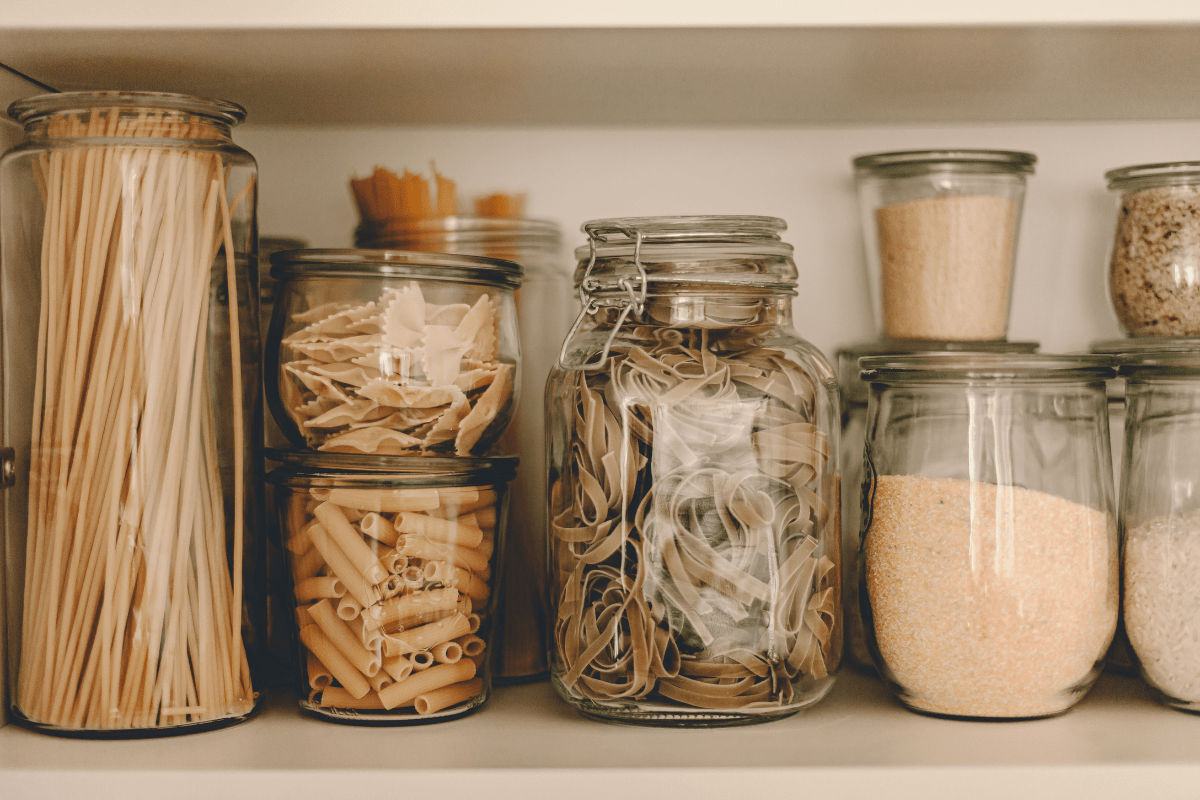
Invest in clear, airtight containers for bulk items like flour, sugar, rice, and pasta. Yes, they cost more upfront than leaving everything in original packaging, but they pay for themselves by preventing waste and pest problems. Mason jars work beautifully for smaller quantities and create a cohesive look, while larger containers handle bigger volumes.
Label everything with both contents and expiration dates. This isn't just for looks… it's about creating a system where anyone in your household can find things and know when to use them up.
The secret to preventing waste is the "first in, first out" system. When you buy new pasta, place it behind the existing boxes. This restaurant-industry practice ensures you're always using the oldest items first.
Here's your pantry organization checklist:
- Clear containers for bulk items
- Labels with expiration dates
- Lazy Susans for deep spaces
- Zone creation by food type
- First in, first out rotation
Cabinet space that works twice as hard
Most people only use about 60% of their available cabinet space because they think horizontally instead of vertically. This is where you can make the biggest impact with the smallest investment.
Thinking vertical changes everything
Stackable shelf risers instantly double your storage capacity for dishes, canned goods, or mugs. These simple additions create two levels where you previously had one, making everything visible and accessible. No more playing Jenga with your dinner plates.
For pots and pans, vertical storage beats stacking every time. Use adjustable dividers to create slots that hold baking sheets, cutting boards, and pan lids upright, like files in a filing cabinet. This eliminates the dangerous game of pulling the bottom pan from a precarious tower.
Under-shelf baskets add storage without any permanent installation, perfect for renters. These wire baskets slide onto existing shelves and create space for items like coffee filters, tea bags, or small containers that would otherwise create clutter.
Don't forget your cabinet doors
The inside of cabinet doors is prime real estate that most people completely ignore. Install narrow shelves or hanging organizers for frequently used items. The inside of your sink cabinet door is perfect for cleaning supplies, while upper cabinet doors can hold spices, measuring cups, or dish towels.
This often-overlooked space can house dozens of items without taking up any shelf space. Just make sure whatever you hang won't interfere with the cabinet closing properly.
Counter space solutions for every kitchen size
Countertop clutter makes even large kitchens feel cramped and chaotic. The key is giving every frequently used item a designated home while keeping surfaces clear for actual food preparation.
The clear counter philosophy
Marie Kondo recommends putting nothing on counters or around the sink and stove top. While this might seem extreme, having clear surfaces makes cooking dramatically easier and cleaning much faster. Start by identifying your true daily essentials… coffee maker, toaster, knife block… and find permanent spots for these items.
Everything else should have a home in a cabinet or on a wall. Yes, this means putting away the stand mixer between uses, but you'll be amazed at how much more spacious your kitchen feels.
Wall-mounted solutions that don't look cluttered
Magnetic strips work brilliantly for knives and metal utensils, freeing up counter space while keeping tools easily accessible. Install these on the wall beside your main prep area for maximum efficiency. You can even use magnetic containers for spices, sticking them to the side of your refrigerator.
Rolling carts serve as mobile prep stations and can be tucked away when not needed. A well-chosen cart can hold your stand mixer, provide extra prep surface, and store baking supplies in the shelves below. Look for carts with locking wheels to prevent unwanted movement during use.
For small appliances you use weekly but not daily, create appliance garages using cabinets with roll-up doors that hide items while keeping them easily accessible. If built-ins aren't possible, a dedicated lower cabinet with easy access serves the same purpose.
Revolutionary drawer organization systems
Drawer chaos is often the biggest kitchen frustration, but it's also one of the easiest problems to solve with the right approach.
Function over form makes life easier
Instead of organizing by item type (all spoons together, all spatulas together), organize by function. Group all stirring implements together… wooden spoons, silicone spatulas, whisks… in one section. Put cutting tools in another section, and measuring implements together. This functional grouping makes cooking more intuitive because you grab from the stirring section when you need to stir, regardless of the specific tool.
Invest in modular drawer organizers that can be configured to fit your specific needs and drawer dimensions. These systems adapt to your space instead of forcing you to adapt to predetermined compartments.
Deep drawer magic
Deep drawers work excellently for pots and pans when fitted with pegboard systems or adjustable dividers. You can see everything at once and access any piece without moving others. This system works particularly well for heavy items that are difficult to lift from lower cabinets.
Create an intentional "junk drawer" with small containers or even an ice cube tray to corral batteries, rubber bands, twist ties, and other miscellaneous items. Having a designated catch-all prevents these necessary items from spreading throughout your organized spaces.
Your drawer organization priorities:
- Function-based grouping
- Modular organizers
- Vertical storage for heavy items
- Designated miscellaneous container
- Everything visible at once
Refrigerator and freezer efficiency hacks
Your refrigerator is essentially a very expensive storage cabinet, so organize it with the same intentionality as your pantry.
The 70% rule that changes everything
Keep your refrigerator about 70% full. This isn't just about aesthetics… you need that extra space to see all your contents clearly and have room for leftovers. Overpacked fridges lead to forgotten food and waste.
Designate specific areas for categories: leftovers on one shelf, dairy products in another, vegetables in the crisper drawers with proper humidity settings. Clear bins work wonders for grouping small items that otherwise get lost… yogurt cups, string cheese, condiment packets.
Freezer filing system
For freezers, flat storage beats bulky containers every time. Freeze soups, sauces, and marinades in flat freezer bags that can be stacked like files. Label everything with contents and date because frozen food all looks the same after a few weeks.
Use freezer-safe containers with square edges rather than round ones to maximize space efficiency. And please, for the love of organized kitchens everywhere, stop saving those random takeout containers that don't stack properly.
Budget-friendly storage solutions that work
Organization doesn't require expensive custom solutions or a complete kitchen renovation. Many effective storage options cost under $10 and can be implemented immediately.
Tension rod magic
Tension rods are the unsung heroes of kitchen organization. Install them under sinks to create hanging storage for spray bottles and dish towels. Inside cabinets, tension rods can hold cutting boards vertically or create dividers for baking sheets. They require zero permanent installation, making them perfect for renters.
Repurpose items you already own creatively. Empty coffee cans (covered with decorative paper if you're feeling fancy) make excellent utensil holders. Mason jars organize small pantry items and create uniform storage that looks intentional. Ice cube trays sort small items in drawers, from tea bags to twist ties.
Dollar store wins
Dollar store containers can be surprisingly effective for organization, especially for items that don't require airtight storage. Use small bins to corral similar items in deep drawers or pantry shelves. While they may not last as long as premium options, they're perfect for testing organization systems before investing in permanent solutions.
Investment-worthy upgrades for long-term success
Some organization solutions justify higher upfront costs through durability and functionality that improves your daily life for years.
The upgrades that pay for themselves
Pull-out drawer systems for lower cabinets transform awkward spaces into easily accessible storage. While installation requires some skill (or a handy friend), these systems make every inch of deep cabinets usable and eliminate the need to crouch and dig for items.
High-quality airtight containers for pantry storage prevent pest issues and maintain food freshness longer than cheaper alternatives. Systems like OXO Pop containers or Cambro commercial containers are designed to stack efficiently and seal reliably, protecting your investment in bulk foods.
If you're renovating or building, soft-close drawer slides and cabinet doors reduce wear and tear while creating a premium feel. These upgrades significantly improve daily functionality and long-term durability.
Small kitchen maximization strategies
Small kitchens require creative thinking about every surface and dimension, but they can be just as functional as large ones with the right approach.
Looking up and around
The space between your upper cabinets and ceiling can accommodate baskets or decorative boxes for rarely used items. Wall-mounted fold-down tables provide prep space when needed and disappear when not in use.
Choose multi-purpose items whenever possible: a large cutting board that fits over your sink creates instant counter space, while a cart can serve as prep area, storage, and serving station. Nesting bowls, stackable measuring cups, and collapsible storage containers maximize functionality while minimizing storage requirements.
Zone creation for small spaces
In galley kitchens, create zones rather than trying to fit everything everywhere. Designate one area for coffee and breakfast items, another for cooking prep, and a third for cleaning supplies. This zoning prevents the scattered approach that makes small spaces feel chaotic.
Keep frequently used items in the most accessible spots, and store seasonal or rarely used items in harder-to-reach places. Your everyday coffee mug should be easier to reach than your fondue pot.
Small kitchen essentials:
- Multi-purpose items only
- Vertical wall storage
- Collapsible containers
- Clear zone designations
- Up-high rarely-used storage
Maintaining your organized kitchen
The best organization system in the world is worthless if it's not maintained, but maintenance doesn't have to be overwhelming.
Daily habits that prevent chaos
Build maintenance into your routine by spending five minutes each evening returning items to their designated homes and wiping down surfaces. This small investment prevents the gradual chaos that requires major reorganization sessions.
Make the system work for everyone in your household by keeping it intuitive and clearly marked. If children can't reach or understand the organization system, they can't maintain it. Consider their needs and abilities when designing storage solutions.
Monthly system check-ins
Schedule monthly mini-audits to catch problems early. Check expiration dates, ensure containers are clean and functional, and adjust systems that aren't working. Organization is an evolution, not a destination… what works today might need tweaking as your cooking habits change.
Don't be afraid to modify systems that aren't serving you. If you find yourself consistently putting something in the "wrong" place, maybe that's actually the right place and your system needs adjusting.
Your kitchen, finally working for you
Effective kitchen organization isn't about achieving magazine-perfect aesthetics or following someone else's system to the letter. It's about creating a space that anticipates your needs, saves you time and money, and makes cooking a pleasure rather than a chore.
Start with one area, implement systems gradually rather than attempting a complete overhaul overnight, and focus on solutions that address your biggest daily frustrations first. Whether that's finding a clean spatula quickly or accessing your coffee supplies efficiently, tackle what bugs you most.
Remember that the goal is functional efficiency that supports your actual cooking style and family life. The best organization system is one you'll actually use and maintain, creating a kitchen that works as hard as you do and makes every meal preparation more enjoyable. Your future self (and your grocery budget) will thank you.