
Ever stare at your living room and wonder why it looks like a furniture store threw up in there? You want your space to look amazing, but you're terrified of making expensive mistakes or choosing trends that'll feel dated faster than last year's viral TikTok dance. The good news is that 2025's biggest home decor trends are refreshingly practical, surprisingly budget-friendly, and designed for actual humans who spill coffee and have real lives.
The big shift happening right now
This year marks a dramatic departure from the cold, sterile minimalism that made our homes look like fancy hotel lobbies. We're done pretending we don't actually live in our spaces. Interior designers are reporting that clients are craving homes that feel dramatically enveloping and genuinely comforting. Think of it as the design world's collective exhale after years of holding its breath.
The overarching theme? Spaces that tell stories, embrace imperfection, and prioritize how you feel over how your house photographs. Your vintage glasses don't have to match, your throw pillows can get wrinkled, and your plants are allowed to have brown leaves occasionally.
Color palettes that actually work in real life
Warm earth tones are having their moment
Colors like chocolate brown, warm navy, and sage green are showing up everywhere, and honestly, it's about time. Pantone's 2025 Color of the Year is Mocha Mousse, a rich chocolatey brown that feels both sophisticated and cozy. These colors create spaces that feel like a warm hug instead of a cold handshake.
The beauty of this trend is how forgiving these colors are. Spill wine on a deep burgundy throw pillow? Good luck finding that stain. Kids draw on your sage green accent wall? It adds character. These aren't the unforgiving whites that make you nervous every time someone walks through your living room with a snack.
Easy ways to try warm earth tones:
- Burgundy throw pillows
- Navy accent walls
- Sage green curtains
- Chocolate brown rugs
- Warm cream paint
- Olive green artwork
Start small with accessories before committing to wall paint. Hit up thrift stores and clearance sections for accessories in the right shades. You'd be amazed what treasures you can find when you're not shopping for anything specific.
Jewel tones for when you're feeling bold
Emerald green, sapphire blue, and amethyst purple are perfect for those moments when you want your space to feel a little more "main character energy." The key is balancing these rich colors with neutrals so your room doesn't end up looking like a jewelry store exploded.
Try an emerald green velvet accent chair against warm white walls, or sapphire blue throw pillows on a neutral sofa. These colors work especially well in dining rooms and bedrooms where you want to create a sense of luxury without spending luxury money.
Material drenching is the new color drenching
Here's where things get interesting. LA designer Jake Arnold coined the term "material drenching," which means decorating an entire room with one material instead of one color. Think wood everything, stone everything, or fabric everything. It sounds extreme, but the effect is surprisingly sophisticated.
The genius of material drenching is that it creates visual cohesion without being boring. A room with reclaimed wood shelving, a wooden coffee table, bamboo accessories, and wood-look tile flooring feels intentional and expensive, even if you sourced most of it secondhand.
Budget-friendly material drenching ideas
You don't need to gut your entire house to try this trend. Start by collecting pieces in the same material family. Mix a wooden dining table with woven baskets, bamboo cutting boards, and rattan lighting. Or go the stone route with concrete planters, slate coasters, and a natural stone accent wall (hello, peel-and-stick stone tiles).
The trick is varying the tones and textures within your chosen material. Light oak mixed with darker walnut, rough stone paired with smooth marble, or nubby linen alongside silky cotton all create depth while maintaining the cohesive feel.
Curved furniture is everywhere and we're here for it
Gentle curves and rounded edges are dominating furniture showrooms, and it makes perfect sense. After years of sharp, angular furniture that looked great but felt like sitting on geometric theorems, we're embracing pieces that actually want to hug us back.
Circular coffee tables with cylindrical legs, oval dining tables, curved sectional sofas, and bulbous accent chairs are showing up in homes everywhere. The curved furniture trend stems from our growing obsession with organic modern style, which incorporates natural shapes in contemporary settings.
Curved pieces to consider:
- Round coffee tables
- Oval dining tables
- Curved sectional sofas
- Arched mirrors
- Bulbous accent chairs
- Circular area rugs
Don't feel pressured to replace all your furniture at once. Choose one or two curved statement pieces to soften the angular furniture you already own. A round coffee table can instantly make a room feel more welcoming, and circular rugs work magic at softening the harsh lines of rectangular spaces.
The natural materials revolution is real
We're officially over plastic everything. Designers are gravitating toward wood, stone, cotton, rattan, jute, and other materials that feel like they actually came from planet Earth. This isn't just about looking good; it's about creating spaces that feel grounded and authentic.
Bamboo furniture deserves special mention here. It grows incredibly fast (3-4 years vs. 12+ years for most wood), it's surprisingly durable, and it can last up to 25 years with proper care. Plus, it plays well with almost every design style, from minimalist to tropical to bohemian.
Bringing nature indoors without becoming a plant parent
Biophilic design sounds fancy, but it basically means recognizing that humans need nature to feel sane. You don't have to transform your living room into a greenhouse to get the benefits. Start with low-maintenance plants like succulents or pothos, add wooden bowls and stone coasters, and incorporate natural textures through jute rugs and linen curtains.
The goal is creating a space that feels connected to the natural world, even if your only outdoor space is a fire escape. Natural materials add texture and warmth while making your space feel more alive and less like a furniture showroom.
Statement lighting that actually makes a statement
Forget boring ceiling fans and basic table lamps. This year is all about lighting that doubles as art. We're talking sculptural floor lamps, oversized pendant lights, and layered sconces that create drama and dimension.
The magic happens when you use three types of lighting: task lighting for reading and cooking, accent lighting to highlight artwork or architectural features, and ambient lighting to create overall mood. This layered approach lets your rooms shift throughout the day, from bright and energetic in the morning to warm and cozy at night.
Lighting upgrades that won't break the bank:
- Swap basic lampshades
- Add LED strip lighting
- Install dimmer switches
- Shop secondhand fixtures
- Use battery-powered sconces
- Layer multiple light sources
Statement lighting is one of those changes that delivers maximum impact for your investment. A dramatic pendant light over your dining table or a sculptural floor lamp in the corner can completely transform how a room feels.
Smart home tech that doesn't look like tech
The future of home technology is invisibility. Hidden speakers built into furniture, wireless charging surfaces that look like regular side tables, and voice-controlled lighting that adjusts throughout the day. The goal is seamless integration that enhances your life without screaming "look at my gadgets!"
Start simple with smart bulbs that you can control from your phone, or add wireless charging pads to existing side tables. The key is choosing tech that solves real problems in your daily life, not just tech for tech's sake.
Room by room reality check
Kitchens are getting cozy again
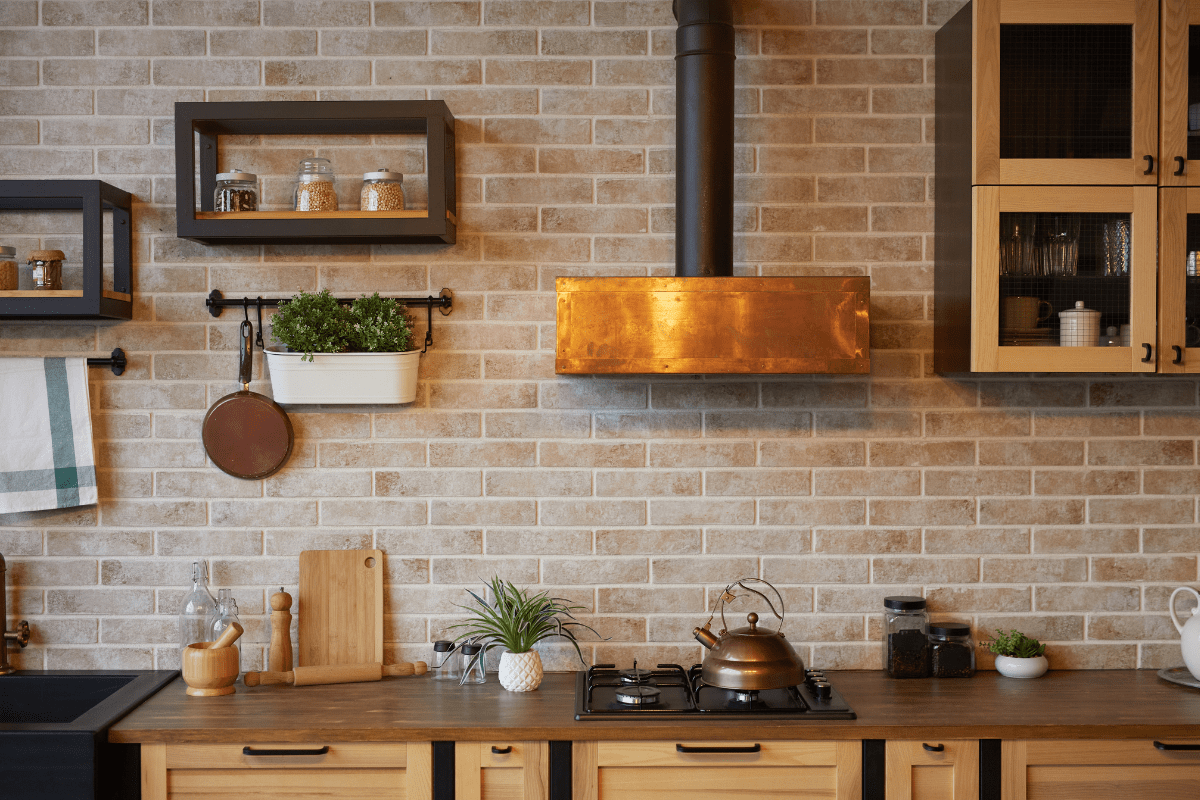
The era of stark white kitchens is ending, and we're all breathing a collective sigh of relief. Rich wood cabinets, historical paint colors like moody blues and deep greens, and natural countertops like soapstone and butcher block are creating kitchens that actually feel lived-in.
This English country-inspired trend embraces the "collected over time" look instead of the "everything was bought on the same day" aesthetic. Mix different wood tones, combine various hardware finishes, and don't worry about everything being perfectly matchy-matchy.
Budget kitchen updates don't require a full renovation. Paint your existing cabinets in a rich navy or forest green, swap out hardware for warm brass or matte black options, and add a peel-and-stick backsplash in natural stone patterns. These small changes can make your kitchen feel completely different without the massive expense.
Living rooms become comfort headquarters
This year's living rooms prioritize massive comfort over minimalist aesthetics. Think oversized sofas you can actually nap on, window seats loaded with pillows, and layered rugs that feel amazing under bare feet. The goal is creating a space where people want to gather and actually stay.
Gallery walls remain popular, but now they're more personal and eclectic. Mix affordable prints with family photos, kids' artwork, and meaningful objects. Print your own photography at home, frame pages from old books, or display postcards from places you've visited. The key is creating a collection that tells your story, not just filling wall space.
Layered lighting becomes crucial in living rooms where you need flexibility for different activities. Combine overhead lighting with table lamps, floor lamps, and even string lights to create options for movie nights, reading sessions, and dinner parties.
Bathrooms transform into personal spas
Enclosed shower rooms are replacing traditional shower-tub combinations, creating more privacy and a spa-like experience. These fully enclosed spaces allow for features like steam, aromatherapy, and mood lighting that wouldn't work in open shower designs.
Natural materials work beautifully in bathrooms when you choose the right options. Wood-look tile gives you the warmth of natural wood without moisture concerns, and stone accents add texture and grounding elements. Plants that thrive in humidity, like pothos or snake plants, bring life to spaces that often feel sterile.
Warm, moody colors replace stark whites for a more relaxing atmosphere. Deep blues, sage greens, and warm grays create a cocoon-like feeling that makes your daily routines feel more luxurious.
Making trends work without going broke
The phase-by-phase approach that actually works
Don't try to update everything at once unless you enjoy financial stress and decision fatigue. Start with Phase 1: accessories and textiles like throw pillows, plants, and woven baskets. These changes make immediate visual impact without major investment.
Phase 2 involves paint and removable wall treatments. Removable wallpaper and decals create dramatic effects without permanent commitment, perfect for renters or commitment-phobes. Peel-and-stick tiles work in every room, including wet areas like backsplashes.
Phase 3 tackles major furniture and lighting updates. By this point, you've lived with the smaller changes and know what direction feels right for your space and lifestyle.
Shopping strategies from someone who's been there
Thrift stores and estate sales are goldmines for solid wood furniture that you can paint or refinish. Facebook Marketplace and Craigslist often have amazing pieces from people who are moving or redecorating. The key is being patient and checking regularly rather than expecting to find everything in one weekend.
For new pieces, Target's Project 62 line offers modern, well-designed basics at reasonable prices. World Market specializes in natural materials and global-inspired pieces. IKEA's collections provide Scandinavian-inspired natural materials that work well as base pieces you can customize.
Budget shopping hit list:
- Thrift stores for furniture
- Target Project 62 line
- World Market natural materials
- Facebook Marketplace finds
- IKEA customizable basics
- Estate sales for unique pieces
DIY projects that don't require Pinterest-level skills
Transform an old ladder into a chic bookshelf by cleaning it up and adding wooden boards between the rungs. Turn mason jars into candle holders with some sand and tea lights. Paint existing furniture in trendy colors using eco-friendly paints that won't make your house smell like a chemical factory.
The key to successful DIY is starting small and building confidence. Begin with projects that take an afternoon, not a weekend. Success breeds success, and you'll find yourself tackling bigger projects as your skills and confidence grow.
Making trends last longer than a TikTok cycle
The 80/20 rule for lasting style
Invest 80% of your budget in classic, timeless pieces that will work for years: quality rugs, solid wood furniture, and well-made textiles in neutral colors. Save 20% for trendy elements that can be easily swapped out as your style evolves or trends change.
This approach ensures your home feels current without requiring complete overhauls every few years. When the next big trend emerges, you can incorporate it through throw pillows, artwork, and accessories rather than replacing major furniture pieces.
Sustainability isn't just trendy, it's smart
Choosing eco-friendly materials, vintage finds, and non-toxic paints benefits both your health and your wallet long-term. Reclaimed wood furniture has character that new pieces can't replicate, and vintage ceramics and glassware often have better quality than modern mass-produced alternatives.
Bamboo, cork, and other sustainable materials are increasingly affordable and accessible. These choices help create a home that feels good to live in and good to think about.
The real talk conclusion
Creating a home that feels both current and authentically yours doesn't require a reality TV budget or professional design degree. The best 2025 trends work because they prioritize comfort, personality, and livability over rigid perfection.
Start small, trust your instincts, and remember that your home should make you happy, not stressed. Your space doesn't need to look like a magazine spread; it needs to feel like home. Whether you embrace material drenching, add curved furniture, or simply swap out some throw pillows for warmer colors, every small change moves you closer to a space that truly reflects who you are.
The most important trend of all? Creating a home that tells your story, supports your daily life, and makes you smile when you walk through the door. Everything else is just details.