
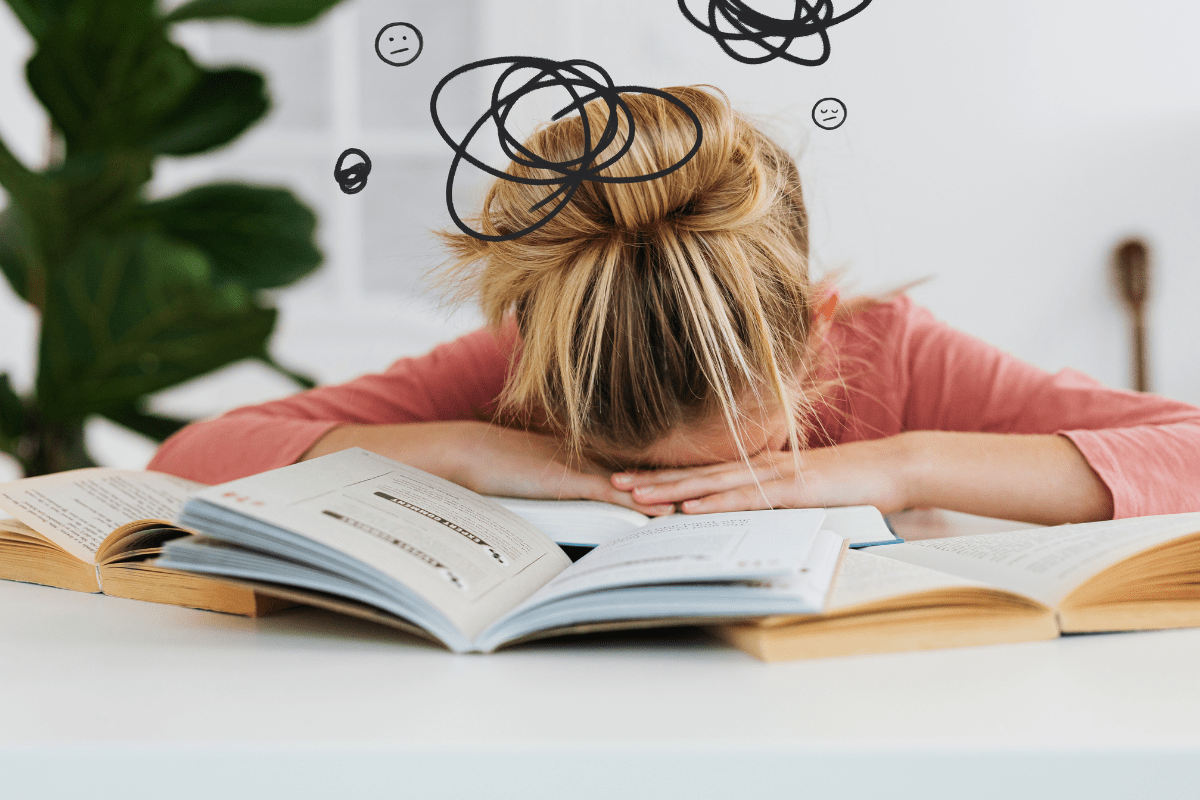
Stress has basically become the unwanted roommate of modern life, showing up uninvited and overstaying its welcome. Whether it's your boss breathing down your neck, your toddler having a meltdown in Target, or that monthly budget that just won't balance itself, we're all walking around with our nervous systems stuck in permanent overdrive. But here's the thing: you don't have to live like this, and you definitely don't need to meditate on a mountaintop for six months to find relief.
When stress hits hard: immediate relief techniques
Sometimes stress doesn't politely knock on your door. Sometimes it kicks down the door, barges into your living room, and starts rearranging your furniture. For those moments when you need relief faster than you can say "I can't even," these techniques are your emergency stress toolkit.
The 4-7-8 breathing technique
This one sounds weird until you try it, and then you'll wonder why nobody taught you this in school instead of the quadratic formula. Dr. Andrew Weil calls it a "natural tranquilizer for the nervous system," and research backs him up. A 2023 study found it significantly reduces anxiety symptoms, while a 2022 study showed it improves heart rate variability in young adults.
Here's how to do it: Exhale completely through your mouth (make that whooshing sound, don't be shy). Close your mouth and inhale through your nose for 4 counts. Hold your breath for 7 counts. Exhale through your mouth for 8 counts, making that whoosh sound again. Repeat 3-4 times.
The magic happens because this breathing pattern activates your parasympathetic nervous system, basically telling your brain, "Hey, we're safe now, you can stop freaking out." The only side effect is mild lightheadedness, which passes quickly. You can literally do this anywhere: in your car before a meeting, in the bathroom during a family gathering, or hiding behind your laptop during a Zoom call.
The 5-4-3-2-1 grounding exercise
When your thoughts are spinning faster than a hamster on espresso, this sensory technique yanks you back to reality. It's like a gentle slap for your anxious brain, except actually helpful.
Look around and identify:
- 5 things you can see
- 4 things you can touch
- 3 things you can hear
- 2 things you can smell
- 1 thing you can taste
This works because it forces your mind to focus on the present moment instead of spiraling into worst-case scenarios about tomorrow's presentation or last week's awkward conversation. Pro tip: Keep this list in your phone's notes app for when your brain decides to throw an impromptu panic party.
Cold water reset
Sometimes you need to literally shock your system back to baseline. Splash cold water on your face, hold an ice cube, or run cold water over your wrists. This activates your body's "dive response," which immediately slows your heart rate and shifts you out of panic mode.
I know it sounds overly simple, but there's something almost magical about how fast this works. It's like hitting the reset button on a frozen computer, except the computer is your nervous system and the reset button is your bathroom sink.
Quick progressive muscle relaxation
This is the speed version of progressive muscle relaxation, perfect for when you have three minutes and a desperate need to unknot your shoulders. The full version can take 30 minutes, but ain't nobody got time for that when you're stress-eating crackers in your car during lunch break.
Tense each muscle group for 5 seconds, then release:
- Face muscles (squeeze everything)
- Shoulders and arms (shrug and clench)
- Chest and back (arch slightly)
- Legs and feet (flex everything)
A 2023 study with psychiatric patients found this technique significantly reduced agitation, depression, and anxiety symptoms. The key is paying attention to the contrast between tension and relaxation. It's like teaching your body the difference between "I'm being chased by a bear" and "I'm lying in a hammock."
Building your daily stress defense system
The immediate techniques are great for crisis moments, but building long-term resilience is like going to the gym for your nervous system. These practices take a bit more time but create lasting change.
Mindfulness meditation that doesn't suck
Let's be honest: meditation has an image problem. When most people hear "meditation," they picture someone sitting cross-legged for hours, achieving enlightenment while looking annoyingly serene. Real meditation is messier, shorter, and way more forgiving.
Start with just 5-10 minutes. Sit comfortably (your couch is fine), close your eyes, and focus on your breath. When your mind wanders to your grocery list or that thing you said in 2019 that still makes you cringe, just notice it and come back to your breath. That's it. That's literally the whole thing.
For guided help, try these apps:
- Headspace: Backed by 50+ studies
- Calm: Great sleep stories included
- Insight Timer: Free with huge community
- Ten Percent Happier: No-nonsense approach
Research shows Headspace users with over 100 million downloads see real improvements in stress levels. A systematic review found 75% of studies showed improvement in depression, with at least 40% showing benefits for stress and anxiety.
Journaling without the pressure
Forget everything you think you know about journaling. You don't need a leather-bound journal, perfect handwriting, or profound insights about the meaning of life. Sometimes the most therapeutic thing you can write is "Today sucked because my WiFi died during an important call and I ate cereal for dinner again."
Try these approaches:
- Stream of consciousness: Set timer for 10 minutes, write continuously
- Worry dump: List everything stressing you out
- Three good things: Note positive moments daily
- Control categories: Separate "can control" from "cannot control"
The goal isn't to become the next great American novelist. It's to get the swirling thoughts out of your head and onto paper where they can't ambush you at 3 AM.
Movement that doesn't require Lycra
Exercise is scientifically proven to be one of the most effective stress relievers, but you don't need a gym membership or matching workout gear. Movement is medicine, and the prescription is whatever gets your body moving and your heart rate up slightly.
Office-friendly options:
- Desk stretches during calls
- Walking meetings when possible
- Stair climbing for quick endorphins
- Dance breaks to favorite songs
The beauty of movement for stress relief is that it literally helps your body metabolize stress hormones. Think of it as giving your anxiety a productive outlet instead of letting it bounce around inside you like a pinball.
Strategic digital boundaries
Our devices are amazing, but they're also stress amplifiers. Every notification is a tiny interruption that keeps your nervous system slightly activated. Creating boundaries isn't about becoming a digital hermit; it's about being intentional.
Simple boundaries that work:
- Phone-free bedroom policy
- Do Not Disturb during focus time
- 20-minute screen breaks daily
- Designated phone-free meal times
Apps like Freedom or Moment can help track and limit screen time. The goal isn't perfection; it's creating pockets of calm in your day where your brain can actually rest.
Long-term stress resilience strategies
These are the lifestyle tweaks that build your stress tolerance over time. Think of them as investing in your future sanity.
Sleep optimization that actually works
Sleep and stress are like a toxic couple that brings out the worst in each other. Poor sleep makes everything feel more stressful, and stress makes it harder to sleep. Breaking this cycle is crucial for long-term stress management.
The basics that make the biggest difference:
- Consistent bedtime (yes, even weekends)
- Cool, dark, quiet bedroom
- No screens one hour before bed
- Relaxing routine: bath, reading, stretching
Consider apps like Sleep Cycle or Noisli for optimization. Your phone's built-in sleep tracking can also provide insights into your patterns. The goal isn't perfect sleep; it's consistent, restorative rest that lets your nervous system actually recover.
Eating for stress management
What you eat directly affects how your body handles stress. This isn't about strict diets or elimination challenges; it's about giving your body the fuel it needs to manage whatever life throws at you.
Stress-fighting foods: Omega-3 rich fish, leafy greens, berries, nuts, and seeds help regulate cortisol levels. Foods that amplify stress: Too much caffeine (especially after 2 PM), excessive alcohol, and processed foods high in sugar create additional stress on your system.
Hydration matters: Dehydration increases cortisol production. Aim for half your body weight in ounces of water daily. Meal timing: Skipping meals causes blood sugar crashes that trigger your stress response. Regular, balanced meals keep your system stable.
Building your support network
Isolation makes everything worse. Humans are social creatures, and having people you can talk to, laugh with, or just exist alongside makes stress more manageable.
This doesn't mean you need to become a social butterfly. It means nurturing the connections that actually matter:
- Schedule regular check-ins with friends
- Join communities around your interests
- Consider therapy for ongoing stress
- Say yes to invitations (even when tired)
Sometimes the most profound stress relief comes from a friend who gets your humor, a family member who listens without judgment, or even a therapist who helps you untangle your thoughts.
Time management and boundaries
Much of our stress comes from feeling overwhelmed by competing demands. The solution isn't becoming more efficient; it's becoming more intentional about where you spend your time and energy.
Time blocking: Schedule specific times for different activities, including breaks and transition time. The two-minute rule: If something takes less than two minutes, do it immediately rather than adding it to your mental to-do list. Learning to say no: Practice polite ways to decline requests that don't align with your priorities.
Batching similar tasks: Group emails, phone calls, or errands to minimize the mental energy lost in context switching. The goal is creating structure that supports you instead of adding more pressure.
Technology tools that actually help
In a world of app overwhelm, these are the tools that consistently help people manage stress better.
Meditation and mindfulness apps
Research-backed options:
- Headspace: Most scientifically studied
- Calm: High user satisfaction rates
- Insight Timer: Free community platform
- Ten Percent Happier: Skeptic-friendly approach
Sleep and relaxation apps
- Sleep Cycle: Smart alarm and tracking
- Noisli: Background sounds for focus
- Rain Rain: Natural sleep sounds
- Breathe: Simple breathing guides
Focus and productivity apps
- Forest: Gamified focus sessions
- Freedom: Website and app blocking
- Be Focused: Pomodoro timer
- Daylio: Simple mood tracking
The key is finding what works for your lifestyle and actually using it consistently rather than downloading seventeen apps and using none of them.
Creating your personal stress management plan
The most sophisticated stress management technique in the world is worthless if it doesn't fit your actual life. Your plan needs to work with your schedule, personality, and current stress levels.
Start by keeping a brief stress log for a week. Note when stress peaks, what triggers it, and what currently helps (even if it's just hiding in your car for five minutes). This isn't about judgment; it's about gathering data.
Consider your practical constraints: A busy parent might rely more on 2-minute breathing exercises, while someone with a flexible schedule might benefit from longer meditation sessions. Some people find physical movement most helpful; others prefer quiet reflection.
Week 1: Choose one immediate relief technique to practice daily. Week 2: Add one mid-range technique. Week 3: Start incorporating one long-term strategy. The goal is building habits gradually rather than overhauling your entire life on Monday morning.
When to seek professional help
Sometimes stress becomes more than you can manage alone, and that's completely normal. Consider reaching out if stress significantly impacts your sleep, appetite, or relationships; if you feel overwhelmed more days than not; if you're using substances to cope; or if you're having thoughts of self-harm.
Therapists, counselors, and even your primary care physician can provide additional tools and support. There's no shame in getting help; there's only wisdom in recognizing when you need it.
Making it sustainable
The difference between stress management techniques that work and ones that don't is consistency, not complexity. Start small, be patient with yourself, and remember that building new habits takes time.
Stress management isn't about eliminating stress entirely; that's neither possible nor desirable. Some stress motivates us, challenges us, and helps us grow. The goal is building your capacity to handle life's inevitable challenges with greater ease and resilience.
Your stress doesn't have to control your life. With the right tools and consistent practice, you can learn to navigate even the most challenging circumstances with greater calm and clarity. The journey toward better stress management starts with a single breath, a moment of awareness, or one small step toward taking better care of yourself.
And remember: progress isn't perfection. Some days you'll nail your meditation practice and drink enough water and feel like a stress management superhero. Other days you'll eat cookies for breakfast and forget to breathe properly and that's okay too. The goal is building tools you can use when you need them, not becoming a perfectly zen person who never feels stressed.
Start where you are, use what you have, do what you can. Your future, calmer self will thank you.